


How to lead a group walk in your community
Resources to help you get started when planning and leading walks in your community
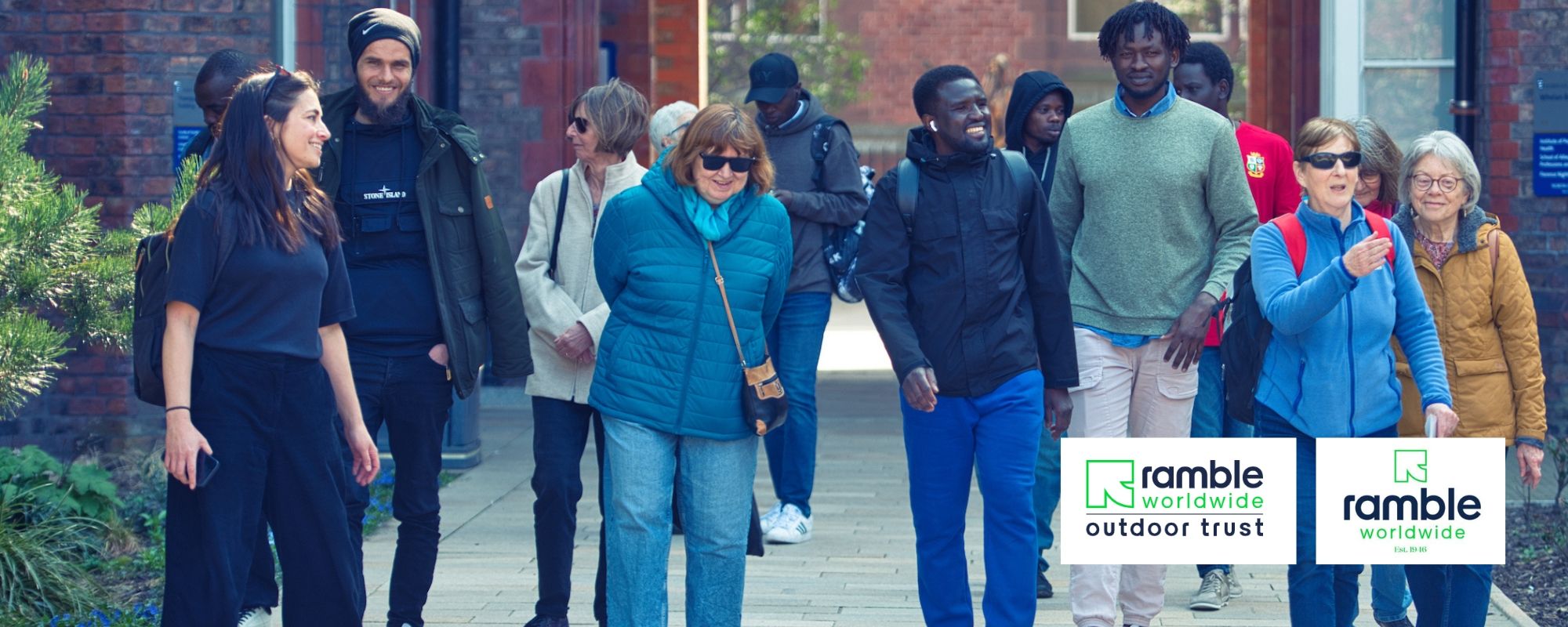
Thanks to funding from the Ramble Worldwide Outdoor Trust and Ramble Worldwide, the Ramblers have worked with seven Global Majority community groups in London and Greater Manchester, delivering walking workshops and learning more about the barriers blocking groups from leading walks for their communities. We used these insights to create our Community Walk Leader Toolkit.
If you’re considering starting a community walking group, there can be lots to think about. We’ve gathered some resources to help you plan and start to lead group walks safely and confidently in your community. If you’ve already got a community walking group up and running, some of these resources may also be useful to help you develop your knowledge.
These resources are suitable for groups walking in England and Wales. Scotland has different access rights – you can find out more about walking in Scotland here.

What knowledge and skills do I need to lead walks?
It’s important to consider the knowledge and skills needed to lead safe and enjoyable walks. At the Ramblers, our walk leaders follow the eight guiding principles set out within our Walk Leader Handbook. It’s a good idea to read this to give you an overview of what you need to consider when leading walks and whether you will need to get some external training. Take a look at our Key Skills checklist for walk leadership to help you identify your current level of knowledge and where you may need to seek additional support.
Getting started and planning a walk
When you’re planning your walk, you may find these steps helpful – find out more in our guide to planning a walk: Where do I want to walk? How long is the route and how much time will it take? You might want to use an app to help you plan your route or take a look at our ideas for group walks.
- Practice your walk – time the walk, and take note of any interesting sights, useful facilities and transport options. Watch our guides to practice walks in an urban area or the countryside. You may find our guide to lone walking useful if you’re out practising your walk alone.
- Assess any risks – think about hazards like roads or fields with livestock. Find out more about risk assessments for urban and rural walks
- Think about the kit you will need to take – take a look at our checklist, create your own kit checklist, or watch our video on what to pack as a walk leader. Find out more about First Aid.
- Consider how many people you want on your walk and whether you need a booking system.
- Walking is a low-risk activity and incidents are rare, but it is important to know how to prepare for an emergency.
You might also want to promote your walks to attract new walkers to your group.
You might also want to promote your walks to attract new walkers to your group.
Read our advice on how to promote your walk: including online, in your local area, and through the local media.
On the day
Once you’ve planned your walk, make sure that you’ve let everyone know the details in plenty of time. For example:
- Where and when they should meet
- What type of walk it is (how long is it, what’s the terrain like, are there obstacles like stiles)
- What they need to bring/wear (e.g. suitable shoes, food and drink, a sunhat or raincoat)
Before you start your walk
Before you start walking, a walk briefing is your introduction to the group about your walk. Plan what you’ll say in advance using our walk briefing guide or watch our video on how to carry out a walk briefing.
Make sure that everyone in your group has filled in an “In Case of Emergency” (ICE) card so that you know who you should contact in an emergency, for example an injury or illness.
You should also think about how you want to end your walk, and what it’s important to say and do.
Other things you might find useful when out walking
When you start walking you may come across new and unfamiliar words and concepts. We’ve put together a short guide to words you might hear when walking in urban areas or when walking in the countryside.
If you’re in need of some best practise guidance when you’re out walking, you can take a look at the Countryside Code (in England and Wales) or the Scottish Outdoor Access Code.
If you’re walking in an urban setting, think about following an urban walking code and being aware of how the highway code applies to pedestrians.
What to do if you have an issue on your walk or are worried about someone in your group
1.Managing tricky situations
As a walk leader, it’s a good idea to make sure that everyone in your group is aware of how to enjoy their walk responsibly and safely. Issues on walks are rare, but we’ve put together a guide on how to manage tricky situations on a group walk, including disruptive behaviour or behaviour that doesn’t reflect your groups values.
2. Dealing with a medical incident
Walking is a low-risk activity and emergencies are rare, but here is some advice on how to deal with a medical incident.
3. Mental Health
Walking is a great way to help improve your mental health. You can find out about the benefits of walking here or here. We’ve also put together some information on what to do if you’re worried about your own mental health or someone else’s.
4.Safeguarding
In a community walking group, everyone has a role to play in keeping the group safe. You should be aware of signs that somebody may be being harmed, abused or neglected, and know what to do if you’re worried about a member of the group. This is safeguarding, and you can find out more here.
If you still have questions or would like to explore starting a community walking group with support and training from the Ramblers, you can contact our communities team.
Discover our resources
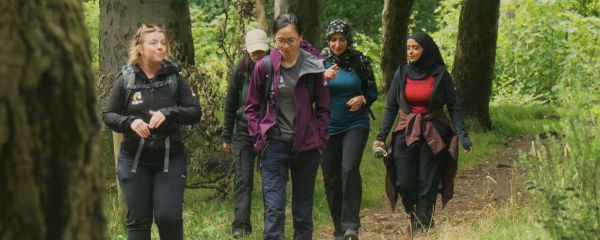
Health benefits of walking guide
This guide outlines some of the physical and mental health benefits of walking.

Lone walking guidance
Walking should be an enjoyable, stress-free activity, and by planning and taking simple precautions, we hope you can enjoy solo walks. Walk leaders may also need to complete practise walks ahead of group walks to be better prepared.
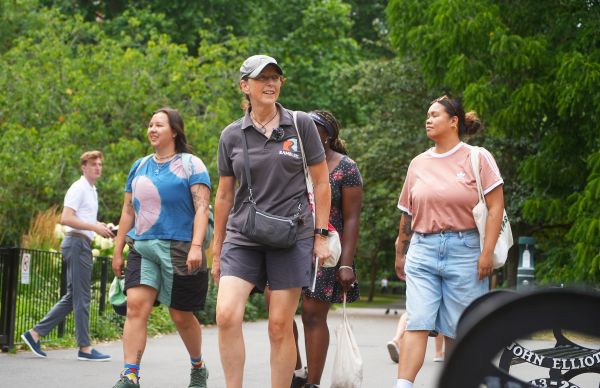
Urban walking code
We've developed an urban walking code to help you walk safely and in comfort.

Planning a walk
Discover our step by step guide on planning a walk
.jpg?itok=lppVReqy)
Ideas for advertising walks
Ideas designed to help you promote your walks to attract new walkers to your group
.jpg?itok=h2Xy-8RT)
Hear from us
Discover more

Getting started as a walk leader
Find out what’s involved in leading group walks and how to get started.

Paths and Communities
Ramblers Cymru is driven to put walking at the heart of communities across Wales, making them greener, healthier, and more enjoyable places to visit, live in, work, and explore.
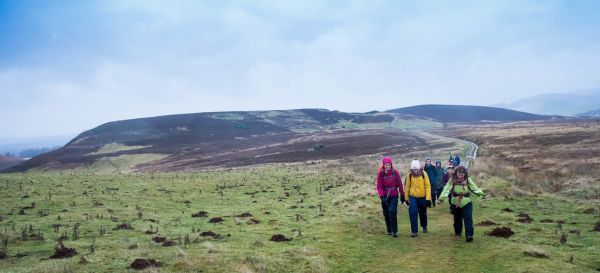
Find a walking group in your area - Ramblers
With over 500 Ramblers groups across Britain, there is bound to be one in your area. Enter a location or postcode to find nearby Ramblers groups.
Wellbeing Walk Groups
Ramblers Wellbeing Walks groups are all over England and there should be some within easy reach of where you live. Search by location to a local group.