This walk takes us through a range different landscapes in the Darent Valley around Sevenoaks, showing how the use of the land has changed over the years and recent attempts to reclaim the landscape. Since Edmund Spenser in the 16th Century referred to the 'still Darent in whose waters cleare ten thousand fishes play', the land has been changed by industrial mineral extraction, urbanisation and the construction of major transport links which bisect our area.
Our walk will follow an eccentric route linking countryside, wildlife reserves and parkland, with occasional segments along roadways.
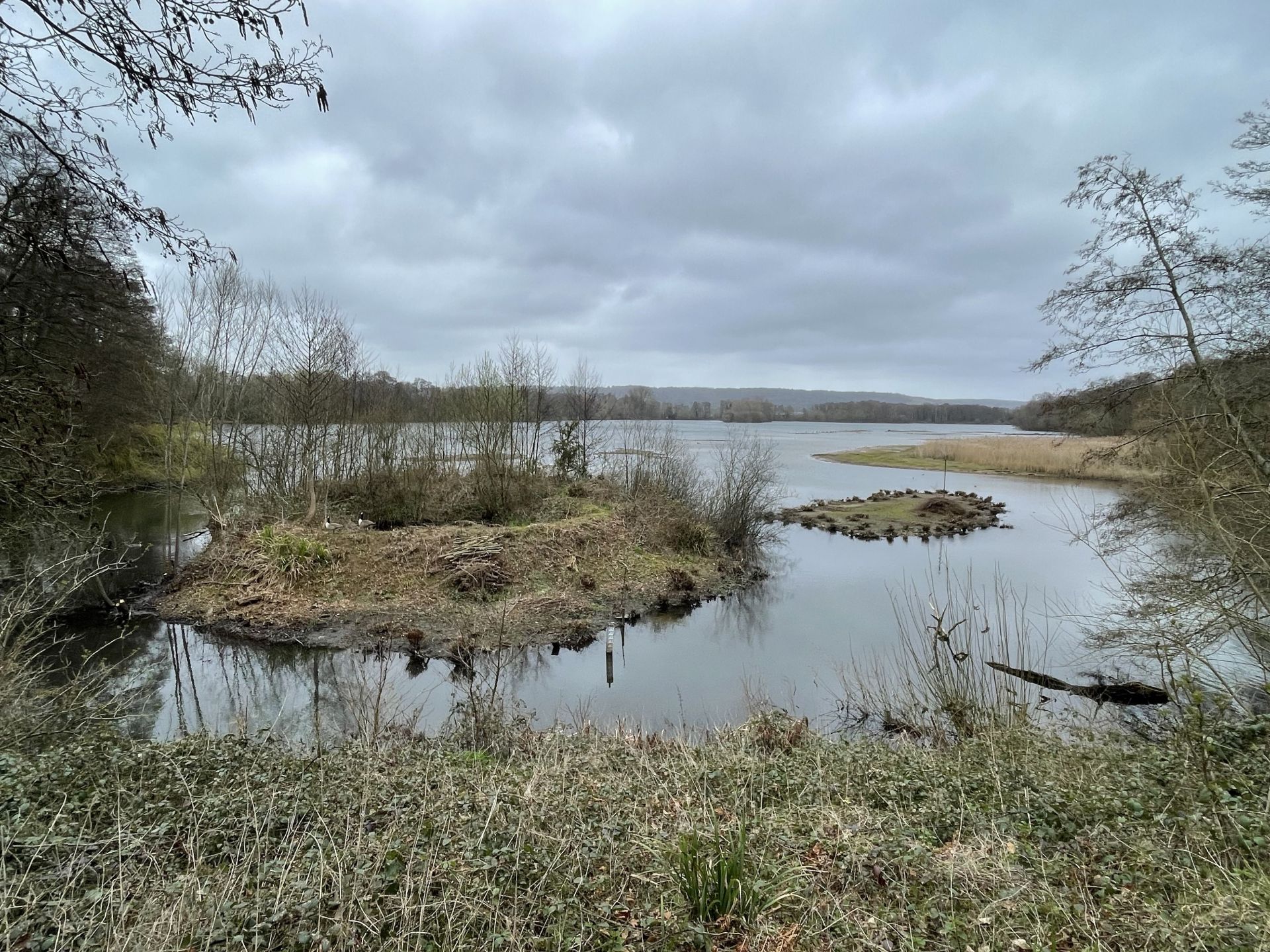
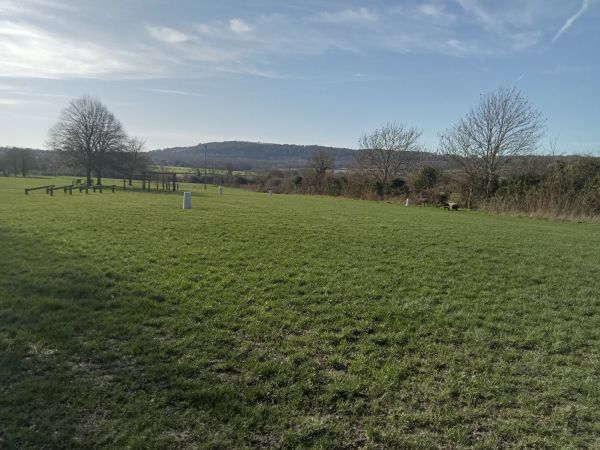
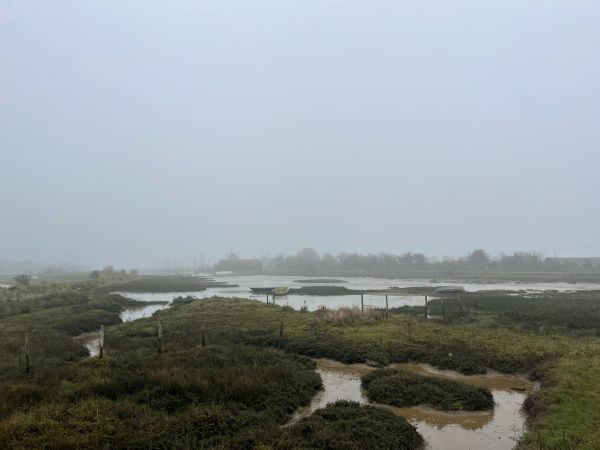
We will leave our starting point at Dryhill Nature Reserve and head west through fields, cutting through Riverhead Parkland and then following a path through the Bradbourne estate until we reach Bradbourne Lakes, a series of 5 artificial lakes in parkland. We then continue to the Sevenoaks Wildlife Reserve, comprising lakes and wetland formed in a gravel pit which ceased operation in 1980. Today the reserve is host to an impressive number of bird and insect species. We will make of circuit of the East and West Lakes and will then leave to join the Darent Valley Path (DVP) heading north. We cross under the M26 and enjoy views back to Broughton House, a Georgian house dating from the 1830s.
We cross back under the motorway and follow the DVP to Chipstead Lake, another lake formed in a disused sand and gravel quarry, now popular with fishermen and sailing enthusiasts. Along the way we cross the route of the Westerham Valley Railway Line which opened in 1818 and closed in 1961.
Finally we leave Chipstead, crossing the A25 to return to our starting point in Dryhill.
Refreshments and toilets available at the Sevenoaks Wildlife Centre where we can stop for a coffee break.
Please bring a packed lunch.
Depending on the weather there can be some areas where it is muddy underfoot.
Assistance dogs only please.